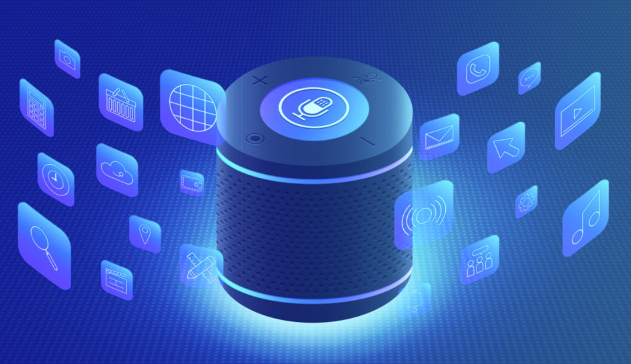
Each assistant exchanges breadth for depth in its own way. Alexa extends reach through a wide device ecosystem and proactive routines; Google Assistant emphasizes cross-app actions and seamless cross-device continuity; Siri prioritizes privacy controls and streamlined workflows via Shortcuts. The resulting trade-offs affect personalization, accuracy, and integration across home, car, and apps. The distinctions invite a closer look at where each platform might fit a user’s daily patterns, leaving questions about long-term trade-offs unresolved.
Which Assistant Fits Your Daily Routines Best?
Between Alexa, Siri, and Google Assistant, the fit for daily routines hinges on ecosystem integration, feature breadth, and automation capabilities. The evaluation centers on personalization strategies and cross device continuity, assessing how each assistant maintains consistent context, learns preferences, and streamlines tasks across devices. Detachment clarifies which platform minimizes friction while maximizing reliable, autonomous control within varied daily patterns.
How Do Alexa, Siri, and Google Assistant Compare on Privacy?
All three assistants face privacy trade-offs shaped by their underlying architectures and data handling practices. They vary in data minimization, local processing, and cloud reliance, influencing perceived control. Privacy trade offs emerge from default settings and ongoing updates. Each system assigns device specific permissions differently, shaping access to microphones, cameras, and activity history while balancing convenience, personalization, and freedom from pervasive data collection.
Which Platform Excels at Home, Car, and App Integrations?
When evaluating home, car, and app integrations, each platform demonstrates distinct strengths and trade-offs. In home automation, Alexa emphasizes breadth of devices, while Google Assistant leans on proactive routines; Siri prioritizes privacy-leaning controls.
For car compatibility, all three support broad ecosystems, yet integration depth varies.
Where Do They Shine in Voice Interactions and Personalization?
Voice interactions and personalization reveal distinct strengths across Alexa, Siri, and Google Assistant, with measurable differences in natural language handling, contextual continuity, and user-specific tailoring. Alexa routines excel in proactive automation, Siri Shortcuts emphasize workflow efficiency, Google Routines unify cross-app actions, and Assistant Shortcuts streamline quick commands.
Frequently Asked Questions
How Do Assistants Handle Multilingual Support?
Multilingual support varies: assistants differ in language breadth, accent tolerance, and switching ease. Accessibility customization enables voice speed, font, and display adjustments, but execution quality remains inconsistent, influencing user independence and perceived freedom across diverse linguistic contexts.
Can They Improve With User-Specific Accessibility Needs?
The answer: They can improve with user-specific accessibility needs, though outcomes vary. An anecdote compares a traveler using a voice note reminder: devices adaptively calibrate cues. Important: accessibility customization, user specific needs; Cross device reminder sharing. Analytical, concise.
Do They Support Offline Processing for Common Tasks?
Offline processing for common tasks is limited; most assistants rely on cloud processing. The analyst notes modest on-device capabilities vary by platform, offering partial offline handling for basic commands but lacking robust processing for complex tasks.
What Are the Best-Use Scenarios for Gaming or Entertainment?
Gaming and entertainment benefit from low gaming latency and voice latency, where responsive assistants enhance immersion and quick commands; the best-use scenarios favor streaming tunes, synchronized groups, and in-game media control, with concise, analytical evaluation guiding freedom-seeking users.
See also: finlandjournal
How Do They Manage Reminders Across Shared Devices?
They manage reminders across shared devices via cloud-based accounts, enabling reminder sharing and cross device synchronization, though implementation varies: some platforms prioritize seamless sync, others incur delays or permission checks, affecting reliability for a freedom-seeking, multi-device user.
Conclusion
Alexa favors breadth and routines, Alexa excels at breadth and routines across devices, privacy controls, and proactive actions. Siri prioritizes privacy and streamlined workflows, privacy-conscious controls, and efficient Shortcuts. Google Assistant emphasizes cross-app actions and cross-device continuity, learning-driven routines, and broad integration. Each platform balances data handling with personalization, each offering distinct strengths: Alexa in ecosystem reach, Siri in privacy and simplicity, Google in cross-platform versatility. The best fit depends on routine complexity, privacy priority, and preferred device ecosystem.