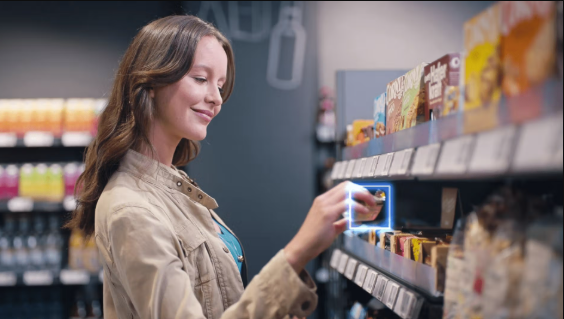
Computer Vision (CV) in retail provides objective, real-time insights from in-store and online shopper interactions. It identifies behavior patterns, product performance, and operational inefficiencies to inform layout, merchandising, and staffing decisions. With strong data governance and privacy safeguards, CV programs tie directly to goals such as conversion, space optimization, and cost reduction. A disciplined, staged approach yields measurable ROI, but the next decision—which use cases to prioritize—will determine downstream impact and sustainability.
How Computer Vision Powers Retail Insights
Computer vision enables retailers to extract objective, real-time insights from in-store and online interactions by automatically detecting and quantifying shopper behavior, product performance, and operational efficiency.
The approach reveals store layout optimization, enabling agile rearrangements and better space utilization.
It also profiles shopper demographics, informing targeted merchandising strategies and personalized experiences while maintaining privacy, accuracy, and scalable, data-driven decision making.
Selecting CV Use Cases by Store Goal
To determine appropriate computer vision (CV) applications, retailers should align use cases with concrete store goals, such as increasing conversion, optimizing space, or elevating operational efficiency.
Selecting CV use cases hinges on store layout, deciphering shopper intent, and recognizing hallmarks of behavior.
A disciplined, data-driven approach prioritizes measurable impact, customer-centric experiences, and freedom to test innovative, outcome-focused deployments.
From Data to Action: Implementation Roadmap
From the selected CV use cases, the next step translates insights into an actionable roadmap, outlining who, what, when, and how to implement data-driven capabilities at scale. It emphasizes data governance to safeguard quality, lineage, and compliance, and delineates disciplined model deployment protocols, governance checks, and staged rollouts that align with store goals, customer needs, and measurable performance milestones.
Measuring ROI and Ongoing Optimization
How can organizations precisely quantify the value generated by computer vision initiatives in retail and sustain improvements over time? ROI calculations anchor measurement, tying revenue uplift, cost-to-serve reductions, and foot traffic quality to transparent baselines. Optimization loops institutionalize learning, iterating experiments, dashboards, and controls. Outcomes propagate through operations, merchandising, and experience, supporting freedom-focused, data-driven decision-making for durable competitive advantage.
Frequently Asked Questions
What Data Privacy Concerns Arise With In-Store Cameras?
In-store cameras raise privacy concerns about data collection, storage, and usage. The analysis emphasizes privacy compliance and consent management, ensuring customers’ rights are respected, minimal data retention, robust security, auditability, and transparent, voluntary participation for freedom-minded shoppers.
How Scalable Are CV Solutions for Small Retailers?
Small retailers face scalable CV solutions with modest deployments, yet scaling challenges arise alongside cost considerations; juxtaposing camera precision and budget constraints, the approach remains data-driven, customer-centric, and freedom-minded, emphasizing practical implementation over theoretical complexity.
Can CV Replace Human Staff in Stores?
CV cannot fully replace human staff; it redefines roles. It alters store staffing implications, shifting focus to monitoring and support. Customer experience tradeoffs arise, balancing efficiency gains against reduced human-centric service, autonomy, and nuanced shopper interactions desired by customers.
What Are Integration Challenges With Existing POS Systems?
Integration challenges with existing POS systems include data integration complexities, incompatibilities with legacy systems, and synchronization delays; vendors must align data schemas, ensure real-time processing, and maintain customer-centric reliability while enabling freedom to scale and innovate.
See also: Comparing Alexa, Siri, and Google Assistant
How Do CV Dashboards Handle Bias and Fairness?
CV dashboards mitigate bias via bias auditing, using fairness metrics to detect disparity; they embed privacy by design and compliance controls, reporting 12% variance reductions. This precision-driven, customer-centric approach empowers observers who demand data-driven freedom.
Conclusion
In summary, computer vision in retail translates observation into measurable outcomes, aligning insights with store goals such as conversion, space utilization, and efficiency. By prioritizing high-impact CV use cases and following a disciplined implementation roadmap, retailers can achieve faster, data-driven decisions while preserving privacy and governance. One common objection—data overload—is addressed by framing CV insights into clear actions and KPIs. The result is a customer-centric, ROI-focused program that continuously optimizes layout, staffing, and merchandising.